
Services
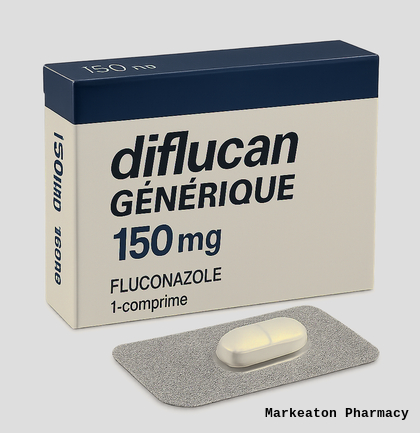
- Is Diflucan available without prescription in the UK?
- What does Pharmacy medicine mean in the UK?
- General information about Diflucan (fluconazole)
- How Diflucan works
- Price and availability information
- Strengths, formulations and pack types
- Fungal infections: vaginal candidiasis, oral thrush and systemic
- UK legal classification: GSL, P and POM
- Alternatives for fungal conditions
- Diflucan compared with other antifungal medicines
- Food, alcohol and lifestyle considerations
- Side effects and tolerability
- Long-term use and excessive exposure
- Warnings, contraindications and interactions
- Additional information about Diflucan
Is Diflucan available without prescription in the UK?
Diflucan, the brand name for fluconazole, is classified as a Prescription Only Medicine (POM) in the United Kingdom. It cannot be legally bought or purchased without a valid prescription from a qualified prescriber. While some pharmacies advertise the ability to order generic fluconazole online with a consultation service, supply without prescription is not permitted under MHRA regulations. If you see offers to buy Diflucan or purchase fluconazole without prescription, this may bypass legal safeguards, and quality, safety or authenticity of the medicine cannot be guaranteed. Markeaton Pharmacy provides transparent guidance: to order Diflucan online you will need to complete a short medical questionnaire or upload a prescription to ensure safe delivery and compliance with UK law.
What does Pharmacy medicine mean in the UK?
In the UK, medicines are divided into three main legal categories:
- Prescription Only Medicine (POM) – requires a valid prescription for supply;
- Pharmacy medicine (P) – may be supplied without prescription but only from a registered pharmacy under professional oversight;
- General Sales List (GSL) – may be sold in any retail outlet meeting regulatory criteria.
Diflucan’s fluconazole 150 mg capsules are designated POM, reflecting the need for professional assessment due to risks including liver toxicity, drug interactions and the potential for systemic side effects. This classification reduces misuse and ensures safer use through healthcare professional involvement.
General information about Diflucan (fluconazole)
What is Diflucan?
Diflucan is a widely recognised brand of fluconazole, a triazole antifungal agent. It is used to treat a variety of fungal infections by inhibiting fungal cell membrane synthesis. The generic name for the active ingredient is fluconazole.
What is fluconazole?
Fluconazole belongs to the azole class of antifungal drugs. It acts by blocking the enzyme lanosterol 14α-demethylase, disrupting the production of ergosterol, a key component of the fungal cell membrane. Without ergosterol, fungal cells become permeable and die.
What are the primary indications?
- Vaginal candidiasis (thrush) in women;
- Oropharyngeal and oesophageal candidiasis (oral thrush);
- Systemic or disseminated candidiasis affecting the bloodstream or internal organs;
- Cryptococcal meningitis prophylaxis and treatment in HIV/AIDS patients;
- Other less common fungal infections as determined by prescribers.
Brand versus generic fluconazole
Generic fluconazole products contain the same active substance and must meet the same regulatory standards for quality, safety and efficacy as Diflucan. However, excipients, tablet size, pack artwork and manufacturer support can differ. Generic fluconazole often provides a cheaper alternative with comparable clinical profile.
Why is professional oversight important?
Fluconazole can interact with many medications metabolised by cytochrome P450 enzymes and may require dose adjustment in liver disease. Professional assessment helps minimise risk and confirm appropriate indication, dose and treatment duration.
How Diflucan works
Mechanism of action
Fluconazole selectively inhibits fungal cytochrome P450-dependent enzyme lanosterol 14α-demethylase. This enzyme converts lanosterol to ergosterol, an essential component of the fungal cell membrane. Blockade of ergosterol synthesis destabilises the cell membrane, increases permeability, and leads to cell death.
Pharmacokinetics
Fluconazole is well absorbed orally, with bioavailability exceeding 90%. Peak plasma concentrations are reached within 1–2 hours. It penetrates into many body fluids, including cerebrospinal fluid, making it effective for systemic and central nervous system infections. The elimination half-life is approximately 30 hours, allowing once-daily dosing in most cases.
Onset and duration of effect
Symptoms of vaginal candidiasis may improve within 24 hours, while systemic infections may require several days of therapy before evident clinical response. Treatment duration varies from a single dose in uncomplicated vaginal thrush to several weeks in systemic or invasive fungal disease.
Dose adjustment in renal impairment
Fluconazole is primarily excreted unchanged in urine. Patients with creatinine clearance below 50 mL/min may require dose reduction. Healthcare professionals will assess renal function and adjust dose accordingly to avoid accumulation and toxicity.
Distinction from antifungal creams
Topical azoles, such as clotrimazole and miconazole, are applied externally or intravaginally. Diflucan offers systemic control with a single oral dose or short dosing course, which may be more convenient and effective for certain infections.
Price and availability information
How much does Diflucan cost in the UK?
Retail price for branded Diflucan and generic fluconazole can vary by pack size, strength and retailer. Below is indicative information only; for current pricing and availability, please consult Markeaton Pharmacy directly or order online through our secure platform:
| Product | Strength | Pack size | Approximate Price (GBP) | Status | Note |
|---|---|---|---|---|---|
| Diflucan | 150 mg | 1 capsule | £10.00 – £18.00 | POM | Single dose vaginal thrush |
| Generic Fluconazole | 150 mg | 1 capsule | £5.00 – £12.00 | POM | Cheaper generic option, requires prescription |
| Diflucan | 50 mg | 7 capsules | £25.00 – £40.00 | POM | Oropharyngeal candidiasis |
Prices vary due to brand, generic status, pack size and distribution costs. For cheaper prices, ordering generic fluconazole online with a valid prescription can reduce costs significantly. We offer bulk pricing and fast dispatch to UK addresses.
Strengths, formulations and pack types
What strengths are available?
Fluconazole is marketed in oral capsule or tablet strengths of 50 mg, 100 mg and 150 mg. Dosage form may influence absorption rate but not bioavailability. Intravenous formulations also exist for hospital use but are not supplied by community pharmacies.
Capsule versus tablet
Most retail products are hard-shell capsules, with the active ingredient in powder form. Some licensed generics use tablets. Capsule and tablet formulations are interchangeable at equivalent strengths.
Pack sizes
Pack sizes range from single-dose packs for vaginal thrush to multi-day packs for systemic infections. A single 150 mg capsule may be sufficient for uncomplicated vaginal candidiasis. Longer courses require packs of 7, 14 or 28 units depending on indication.
Why pack type matters
Pack size and dosing regimen directly affect legal classification and supply conditions. A single-dose pack is used for non-recurrent vaginal thrush, while extended courses are strictly prescription only under professional supervision.
| Feature | Impact on supply |
| Strength | Determines dose and frequency |
| Pack size | Limits duration, affects classification |
| Formulation | Capsule vs tablet, bioequivalence |
| Brand vs generic | Cost and patient preference |
Fungal infections: vaginal candidiasis, oral thrush and systemic
Vaginal candidiasis (yeast infection)
Vaginal thrush affects up to 75% of women at least once in their lifetime. Symptoms include itching, soreness, abnormal discharge and discomfort during intercourse. A single 150 mg oral dose of Diflucan often resolves uncomplicated cases. Recurrent or complicated infections may need repeat dosing under medical supervision.
Oropharyngeal and oesophageal candidiasis
Oral thrush presents as white patches on the tongue and inner cheeks. Dysphagia and odynophagia occur in oesophageal candidiasis. Adults with mild oral thrush may be treated with fluconazole 50 mg to 100 mg daily for 7–14 days. HIV-positive patients or those with compromised immunity may require higher doses and longer courses.
Systemic candidiasis
Bloodstream infections (candidemia) and invasive candidiasis are serious conditions requiring hospital management. Oral fluconazole can be used in step-down therapy once intravenous treatment stabilises the patient. Doses range from 200 mg to 800 mg daily, tailored to infection site and severity.
Cryptococcal meningitis
Fluconazole is used for maintenance therapy following induction treatment with amphotericin B in cryptococcal meningitis. Dose regimens typically start at 400 mg to 800 mg daily, with gradual tapering. Long-term prophylaxis may be indicated in HIV/AIDS patients based on CD4 count.
Other fungal infections
Fluconazole may treat dermatophytosis, candiduria and fungal skin infections in some cases. These uses depend on clinical judgement and specialist guidance.
UK legal classification: GSL, P and POM
What is POM?
Prescription Only Medicines require a prescription from a doctor, dentist or other authorised prescriber. Diflucan’s fluconazole products fall under POM, ensuring professional oversight for safe use.
Pharmacy (P) medicines
Some antifungal products like topical clotrimazole are classified as Pharmacy medicines. These may be supplied without prescription but require pharmacist involvement. Diflucan capsules do not fall into this category.
GSL medicines
General Sales List medicines, such as low-strength topical antifungals, can be sold in supermarkets and other retail outlets. They pose lower risk and have user-friendly dosing instructions.
Alternatives for fungal conditions
Topical azoles
- Clotrimazole creams and pessaries for vaginal thrush;
- Ketoconazole shampoo or creams for dermatophyte infections;
- Terbinafine cream for athlete’s foot.
Other oral antifungals
Itraconazole and terbinafine tablets may be used for specific dermatophyte and nail infections. These require prescription and professional monitoring similar to fluconazole.
Probiotics and supportive care
Probiotics and dietary adjustments can support mucosal health, but they do not replace antifungal therapy for confirmed infections.
Diflucan compared with other antifungal medicines
Fluconazole vs itraconazole
Fluconazole has high oral bioavailability and penetrates cerebrospinal fluid, making it suitable for systemic and central nervous system infections. Itraconazole is often used for dermatophyte and deep-seated mould infections but has variable absorption and more drug interactions.
Fluconazole vs terbinafine
Terbinafine is fungicidal for dermatophytes and is often used for nail infections. Fluconazole is fungistatic for many yeasts and is more versatile for Candida species but less effective against dermatophytes.
| Feature | Fluconazole | Itraconazole | Terbinafine |
| Class | Azole | Azole | Allylamine |
| Oral bioavailability | >90% | Variable | >70% |
| CNS penetration | Yes | Limited | No |
| Common uses | Candida, cryptococcus | Onychomycosis, aspergillosis | Dermatophytes |
Food, alcohol and lifestyle considerations
Can diet influence thrush risk?
High sugar diets may promote Candida growth, especially in vulvovaginal candidiasis. Maintaining balanced blood glucose and limiting refined sugars can help reduce recurrence.
Alcohol interaction
Fluconazole may increase blood alcohol levels and exacerbate liver toxicity when combined with alcohol. Patients should be advised to limit alcohol intake during and shortly after therapy.
Smoking effects
Smoking can impair immune function and mucosal integrity, potentially increasing susceptibility to oral thrush. Smoking cessation supports overall treatment outcomes.
Side effects and tolerability
Common side effects
| Area | Examples described in product information |
| Gastrointestinal | Nausea, abdominal pain, diarrhea |
| Skin | Rash, pruritus |
| Headache | Mild to moderate headache |
| Liver | Elevated liver enzymes in rare cases |
Serious adverse reactions
Rare but severe reactions include hepatotoxicity, QT prolongation, severe skin reactions (Stevens-Johnson syndrome) and anaphylaxis. Immediate medical attention is required if symptoms such as jaundice, chest pain or severe rash occur.
Monitoring and management
Liver function tests may be recommended for prolonged courses or in patients with underlying hepatic disease. Patients should report any unusual symptoms promptly.
Long-term use and excessive exposure
When is long-term therapy used?
Maintenance therapy in HIV-associated cryptococcal meningitis and prophylaxis in transplant patients may require months of fluconazole. Long-term use necessitates regular monitoring of liver function and electrolytes.
Risks of prolonged suppression
Extended antifungal exposure can lead to resistant Candida strains. Antifungal stewardship principles recommend limiting duration to the shortest effective course.
Importance of medical review
Periodic evaluation ensures ongoing indication, assessment of side effects and consideration of alternative therapies or prophylaxis strategies.
Warnings, contraindications and interactions
Key contraindications
- Known hypersensitivity to fluconazole or other azoles;
- Concurrent use of cisapride or terfenadine (risk of QT prolongation);
- Pregnancy for systemic use unless benefits outweigh risks;
- Severe hepatic impairment without specialist supervision.
Drug interactions
Fluconazole inhibits CYP2C9, CYP2C19 and CYP3A4, affecting drugs such as warfarin, phenytoin, carbamazepine and many statins. Dose adjustment or monitoring is required for co-administered substrates of these enzymes.
Pregnancy and breastfeeding
Oral fluconazole in single-dose for vaginal thrush may be considered after weighing benefits and risks. Chronic high-dose fluconazole is generally contraindicated in pregnancy due to potential teratogenicity. Small amounts pass into breast milk; professional advice is needed for nursing mothers.
Age considerations
Use in paediatric patients requires specialist dosing guidance. In elderly patients, renal function should guide dose selection to avoid accumulation.
Additional information about Diflucan
What is a generic antifungal?
A generic antifungal contains fluconazole identical to the reference brand in active content and bioavailability. Generic products provide cost savings while maintaining quality standards established by regulatory authorities.
Why check product leaflet?
Different fluconazole products may have varied excipients, pack sizes and authorised indications. Always consult the patient information leaflet for specific warnings, dosage instructions and side effects.
How to verify UK medicine information?
Authoritative sources include the MHRA website, the electronic Medicines Compendium (eMC) and professional pharmacy teams. Markeaton Pharmacy ensures all supplied fluconazole products are MHRA-authorised.
Does this replace pharmacist advice?
No. This information is for general guidance from Markeaton Pharmacy, 126 Kedleston Road, Derby, DE22 1FX. For personalised advice on ordering, purchase options, prescription requirements or price comparisons, please speak to our pharmacy team in store or via our online chat service.