
Services
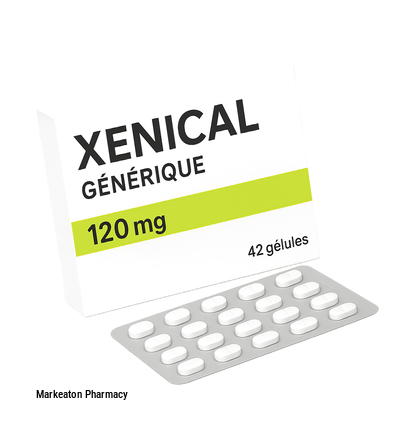
- Is Xenical available without prescription in the UK?
- UK legal supply classification of Xenical
- General information about Xenical (orlistat)
- How Xenical (orlistat) works
- Price and availability information
- Strengths, formulations and pack types
- Indications: obesity and weight management
- UK legal classification: POM, P and GSL
- Alternatives for weight loss
- Xenical compared with other weight-loss medicines
- Diet, exercise and lifestyle considerations
- Side effects and tolerability
- Long-term use and monitoring
- Warnings, contraindications and interactions
- Additional information about generic Xenical
Is Xenical available without prescription in the UK?
Xenical (orlistat) 120 mg is a prescription-only medicine (POM) in the United Kingdom and cannot be supplied without a valid prescription from a qualified healthcare professional. However, a lower strength of orlistat, often marketed under generic names such as orlistat 60 mg orlistat capsules, may be available as a Pharmacy medicine (P) for short-term use in adults with overweight or obesity who meet specific criteria determined by a pharmacist-led patient assessment. These over-the-counter interventions are designed to complement lifestyle interventions and should be regarded as part of a broader weight management plan under professional supervision.
Use of Xenical 120 mg itself always requires a prescription. Generic orlistat products of lower strength can sometimes be supplied without prescription but only under the supervision of a pharmacist in a community pharmacy setting. Always check with Markeaton Pharmacy or your GP before starting orlistat-based therapy to ensure it is appropriate for you.
UK legal supply classification of Xenical
In the UK, medicines are classified into three main supply categories: Prescription Only Medicine (POM), Pharmacy medicine (P), and General Sales List (GSL). Xenical 120 mg is classified as a POM due to its potency and potential for side effects. The lower-strength generic orlistat 60 mg product, indicated for higher-BMI patients, may be classified as a Pharmacy medicine (P) when supplied in limited pack sizes and after a mandatory pharmacist consultation.
This classification system ensures that certain treatments, especially those with systemic effects or potential nutritional consequences, are provided with appropriate professional oversight. Always verify the legal status of a particular orlistat product and pack size before attempting to purchase it, whether online or in a physical pharmacy.
General information about Xenical (orlistat)
What is Xenical?
Xenical is the brand name for orlistat 120 mg, an anti-obesity medicine designed to aid weight loss in people with a body mass index (BMI) of 30 kg/m2 or higher. It is also indicated for patients with a BMI of 28 kg/m2 or higher who have other risk factors such as hypertension, type 2 diabetes, or dyslipidaemia. The active ingredient, orlistat, inhibits gastrointestinal lipases, reducing dietary fat absorption by approximately 30% when taken correctly with meals.
What is orlistat?
Orlistat is a lipase inhibitor that acts locally in the gastrointestinal tract. It binds covalently to serine residues in the active site of gastric and pancreatic lipases, preventing the hydrolysis of dietary triglycerides into absorbable free fatty acids and monoglycerides. As a result, unabsorbed fat is excreted in the faeces.
Why choose generic Xenical?
Generic orlistat contains the same active ingredient, at the same dosage, as the branded Xenical product. It must meet the same regulatory standards for quality, safety, and efficacy. Generic options can offer significant cost savings to patients and health services without compromising therapeutic outcomes.
What are the inactive ingredients?
Inactive ingredients vary by manufacturer and may include microcrystalline cellulose, magnesium stearate, sodium lauryl sulfate, talc, gelatin, titanium dioxide, and colloidal silicon dioxide. Differences in excipients, capsule shells, and film coatings do not affect the pharmacodynamic action of orlistat but may influence individual tolerability.
Is Xenical an appetite suppressant?
No. Orlistat does not act on the central nervous system to reduce appetite or craving. Its effect is purely gastrointestinal, blocking absorption of dietary fat. Supportive lifestyle measures, such as dietary caloric reduction and physical activity, are essential to achieve and maintain clinically meaningful weight loss.
Can Xenical treat obesity alone?
No. Orlistat should always be used as part of a comprehensive programme of diet, exercise, and behaviour change guided by healthcare professionals. Without changes to caloric intake and energy expenditure, the effectiveness of orlistat is limited.
How Xenical (orlistat) works
What are gastric and pancreatic lipases?
Gastric and pancreatic lipases are digestive enzymes responsible for hydrolysing dietary triglycerides into absorbable free fatty acids and monoglycerides. They are secreted into the stomach and small intestine during and after a meal.
How does orlistat inhibit lipase activity?
Orlistat binds reversibly and then covalently to the active site serine hydroxyl group of lipase enzymes. This inactivation prevents the breakdown of triglycerides, so around 30% of ingested fat is not digested and is excreted. The drug acts only in the gut lumen and has minimal systemic absorption, reducing the risk of systemic toxicity.
What is the onset of action?
Orlistat acts within hours of ingestion. It should be taken during or up to one hour after each main meal containing fat. Skipping a meal or taking a meal without fat is an opportunity to omit the dose, as there is no fat to block.
Does orlistat affect absorption of other nutrients?
Yes. Malabsorption of fat-soluble vitamins (A, D, E, K) and beta-carotene can occur with chronic use. A daily multivitamin supplement containing fat-soluble vitamins, to be taken at bedtime or separated by at least two hours from orlistat, is recommended when therapy exceeds four weeks.
Why does orlistat cause oily stools?
Unabsorbed fat is excreted in the faeces, which can result in steatorrhoea, oily spotting, and faecal urgency. These gastrointestinal effects often diminish after the first few weeks as patients adjust dietary fat intake and dosing behaviour.
Can orlistat inhibit every fat-containing meal equally?
No. The percentage of fat absorption blocked can vary with the total fat content of the meal. High-fat meals may produce more gastrointestinal side effects, while very low-fat diets may reduce the efficacy of the lipase blockade by lowering the fat available for binding at the enzyme active sites.
Price and availability information
How much does generic orlistat cost in the UK?
Prices for orlistat products vary by brand, strength, pack size, and retailer. Generic orlistat 60 mg orlistat medicines for overweight patients (BMI ≥28 kg/m2) supplied as Pharmacy medicines can be priced from approximately £18 to £30 for a one-month course of 84 capsules. Xenical 120 mg POM is usually priced higher due to its therapeutic indications and prescription supply chain. Ask Markeaton Pharmacy for current prices, special offers, generic deals, and bulk-buy discounts.
Why can prices vary between pharmacies?
Price variations reflect factors such as supply chain agreements, pharmacy margin models, bulk purchasing, local promotion, and whether the medicine is branded or generic. Purchasing orlistat online from a reputable pharmacy can offer cost savings but always confirm the source is MHRA-authorised.
| Product | Strength | Pack size | Price (GBP) | Classification | Note |
|---|---|---|---|---|---|
| Xenical | 120 mg | 42 capsules | From £85.00 | POM | Prescription required |
| Generic orlistat 60 mg | 60 mg | 84 capsules | From £19.50 | P | Pharmacist supply after consultation |
| Generic orlistat 120 mg | 120 mg | 84 capsules | From £65.00 | POM | Prescription required |
Strengths, formulations and pack types
What strengths of orlistat exist?
Orlistat is available in 60 mg and 120 mg strengths. The 120 mg dose is prescribed for obesity (BMI ≥30 kg/m2 or ≥28 kg/m2 with comorbidities), whereas the 60 mg dose may be supplied over the counter as a Pharmacy medicine for short-term use in overweight patients (BMI ≥28 kg/m2) under pharmacist supervision.
Are there variations in formulation?
Orlistat is supplied in hard gelatin capsules containing the active ingredient and excipients. The capsule shell ensures stability in the acidic environment of the stomach and releases orlistat in the small intestine where lipases act on dietary fats.
Why does pack size matter?
Pack size affects the maximum supply quantity under non-prescription classification. Pharmacy medicines are often limited to a 28- or 84-capsule supply to minimise risk and encourage patient follow-up. Prescriptions for Xenical 120 mg can cover longer durations as clinically indicated.
Can generic and branded capsules differ?
Although bioequivalence is demonstrated through regulatory guidelines, capsule appearance, size, colour, imprint, and excipient composition may vary. All must comply with the British Pharmacopoeia and MHRA standards for quality and content uniformity.
What should patients check before buying?
Patients should verify the exact product license, active ingredient strength, pack size, patient information leaflet, and legal classification. Pharmacist or healthcare professional guidance ensures safe and appropriate use.
| Feature | Why it matters |
| Active ingredient | Determines therapeutic action |
| Strength | Influences dosage and efficacy |
| Pack size | Impacts legal supply and duration |
| Formulation | Affects stability and release |
| Legal classification | Defines supply requirements |
Indications: obesity and weight management
What is obesity?
Obesity is defined as a BMI of 30 kg/m2 or greater. It is associated with increased risk of cardiovascular disease, type 2 diabetes, certain cancers, osteoarthritis, and poor quality of life. Overweight is categorized as BMI 25–29.9 kg/m2.
Who is eligible for Xenical?
Adults with BMI ≥30 kg/m2, or ≥28 kg/m2 with obesity-related risk factors, may be prescribed Xenical 120 mg by a physician. The aim is to achieve at least 5% weight loss in the first 12 weeks of therapy; if unmet, treatment evaluation is warranted.
Who may receive orlistat 60 mg OTC?
Pharmacists may supply orlistat 60 mg without prescription to patients aged 18 or over with a BMI ≥28 kg/m2, provided no contraindications exist and the patient understands dietary and supplementation requirements. Supply is limited to short-term use (up to three months) with follow-up advice.
What about long-term weight maintenance?
Continuation beyond six months should follow medical review. Combining orlistat with lifestyle interventions such as dietary caloric reduction, increased physical activity, and behavioural counselling yields the best outcomes for weight maintenance and cardiometabolic risk reduction.
Can orlistat be used in adolescents?
Orlistat is not typically licensed for paediatric use below 18 years. Specialist guidance and risk–benefit assessment are required for younger patients with severe obesity and comorbidities.
UK legal classification: POM, P and GSL
What is a POM?
Prescription Only Medicines require a valid prescription from a doctor, dentist, or nurse prescriber. Xenical 120 mg is POM only.
What is a Pharmacy medicine?
Pharmacy medicines (P) may be sold without prescription but must be supplied under the supervision of a pharmacist, who performs a consultation and ensures safe use. Generic orlistat 60 mg may be classified as P for limited supply.
What is a GSL medicine?
General Sales List medicines may be sold in a variety of retail outlets without professional supervision, provided they meet the conditions for GSL classification. No orlistat products are classified as GSL due to their systemic action and nutritional implications.
Why can the same ingredient have different classifications?
Classification is determined by factors such as therapeutic indication, dose, duration of treatment, and risk of adverse effects. Lower doses with shorter-term supply may be considered suitable for pharmacist supervision, whereas higher prescription-strength doses require a medical prescription.
Who regulates classifications?
The Medicines and Healthcare products Regulatory Agency (MHRA) oversees medicine classification, licensing, and reclassification processes in the UK. Decisions consider safety data, usage patterns, and expert opinion.
Alternatives for weight loss
What other categories of treatment exist?
- Appetite suppressants (e.g., phentermine combined with topiramate in certain formulations);
- GLP-1 receptor agonists (e.g., semaglutide, liraglutide) under specialist prescription;
- Behavioural therapy and structured weight management programmes;
- Bariatric surgery options for eligible patients;
- Medical devices and endoscopic procedures in specialist centres.
Why choose orlistat over other medicines?
Orlistat’s mechanism is peripheral with minimal systemic exposure, making it suitable for patients who prefer to avoid central nervous system effects or injections. It also benefits lipid profiles by reducing absorption of dietary fat and can be combined with other therapies under supervision.
When are surgical interventions considered?
Bariatric surgery is indicated for patients with BMI ≥40 kg/m2 or ≥35 kg/m2 with significant comorbidities who have not achieved sufficient weight loss with non-surgical measures. Orlistat therapy is part of preoperative and postoperative weight management strategies.
Xenical compared with other weight-loss medicines
How does Xenical compare with GLP-1 agonists?
GLP-1 receptor agonists such as semaglutide and liraglutide act centrally to reduce appetite and delay gastric emptying, leading to weight loss often exceeding that seen with orlistat. However, they are injectables, more expensive, and require specialist prescription and monitoring.
How does orlistat compare with sympathomimetic appetite suppressants?
Appetite suppressants like phentermine reduce caloric intake via central nervous system stimulation but may cause palpitations, insomnia, and dependence. Orlistat’s side effect profile is gastrointestinal and non-systemic, avoiding stimulant-related adverse events.
| Feature | Xenical (orlistat 120 mg) | Orlistat 60 mg (P) | GLP-1 agonists | Appetite suppressants |
| Drug class | Lipase inhibitor | Lipase inhibitor | Peptide analogue | Sympathomimetic |
| Mechanism | Blocks fat absorption | Blocks fat absorption | Reduces appetite, slows gastric emptying | Suppresses appetite centrally |
| Route | Oral capsule | Oral capsule | Subcutaneous injection | Oral tablet |
| Prescription status | POM | P | POM | POM |
| Common side effects | Gastrointestinal | Gastrointestinal | Nausea, vomiting | Insomnia, tachycardia |
Is one weight-loss medicine always better?
No. Selection depends on patient comorbidities, BMI, previous treatment response, tolerability, cost considerations, route preference, and long-term management plans. Shared decision-making with healthcare professionals guides optimal therapy choices.
Diet, exercise and lifestyle considerations
Can diet influence orlistat tolerability?
Yes. Lowering daily fat consumption to around 30% of total caloric intake can reduce the frequency and severity of oily spotting, flatulence with discharge, and faecal urgency. Balanced meals with lean protein and fiber help support weight loss and gastrointestinal comfort.
Can exercise enhance orlistat efficacy?
Regular moderate-intensity exercise (150 minutes per week) combined with orlistat produces greater weight loss and improves cardiovascular risk factors. Exercise also preserves lean muscle mass during weight reduction.
What about meal timing?
Taking orlistat during or up to one hour after main meals with fat optimises efficacy. If a meal is skipped or contains no fat, the dose can be omitted, reducing unnecessary gastrointestinal fat loss and side effects.
Does alcohol matter?
Alcohol contributes empty calories and can impair weight-loss progress. Excessive drinking may exacerbate orlistat-related gastrointestinal side effects and can also affect patient motivation and adherence to dietary goals.
Why is weight maintenance challenging?
Physiological adaptations to weight loss, such as increased hunger hormones and reduced energy expenditure, make long-term maintenance difficult. Continuing orlistat as directed and ongoing lifestyle support improves the likelihood of sustained weight control.
Side effects and tolerability
Can Xenical cause side effects?
Yes. Gastrointestinal side effects are most common, reflecting unabsorbed dietary fat passing through the gut. Severity varies with dietary fat amount and individual sensitivity. Most side effects are mild to moderate and decrease over time.
| System | Examples described in product information |
| Gastrointestinal | Oily spotting, fatty/oily stool, faecal urgency, flatulence with discharge |
| Nervous system | Headache |
| Skin | Steatorrhea-related perianal irritation |
| Hypersensitivity | Angioedema, rash (rare) |
| Metabolism/nutrition | Malabsorption of fat-soluble vitamins |
How can patients manage side effects?
- Reduce dietary fat content gradually;
- Divide fat intake evenly across three main meals;
- Ensure consistent dosing with each fat-containing meal;
- Take a multivitamin supplement at bedtime;
- Stay hydrated and maintain fiber intake.
When should side effects prompt medical review?
Persistent or severe gastrointestinal symptoms, signs of malnutrition, allergic reactions, or unusual systemic effects warrant prompt assessment by a healthcare professional. Discontinue orlistat and seek advice if unusual symptoms develop.
Are long-term risks different?
Extended fat malabsorption may lead to deficiencies and gastrointestinal changes. Monitoring of vitamin levels, lipid profiles, and liver function may be appropriate for long-term users under specialist care.
Long-term use and monitoring
Why is ongoing review important?
Long-term orlistat treatment requires periodic assessment of weight-loss progress, side-effect burden, and nutritional status. If adequate weight loss (<5% reduction in body weight after 12 weeks) is not achieved, discontinuation should be considered.
What nutritional follow-up is needed?
Regular monitoring of fat-soluble vitamin levels, particularly vitamins A, D, E, and K, can identify deficiencies early. A balanced multivitamin supplement should be taken daily. Patient education on balanced meals supports nutritional adequacy.
Can orlistat be used indefinitely?
Long-term use is possible if benefits outweigh risks. Ongoing professional supervision helps tailor dose, manage side effects, and support lifestyle adherence. Discontinuation or switching to alternative therapies may occur based on individual response.
Why assess comorbidities?
Obesity-associated conditions such as hypertension, dyslipidaemia, sleep apnoea, and type 2 diabetes require integrated management. Orlistat use may improve glycaemic control and lipid parameters, but overall treatment must be holistic.
Warnings, contraindications and interactions
Who should not use orlistat?
- Chronic malabsorption syndrome;
- Cholestasis or biliary obstruction;
- Pregnant or breastfeeding women (risk–benefit assessment required);
- Patients with hypersensitivity to orlistat or excipients;
- Severe renal impairment (consult specialist advice).
Can orlistat interact with other medicines?
Yes. Orlistat can reduce absorption of ciclosporin, levothyroxine, warfarin, valproate and certain antiretroviral agents. Doses of affected medicines may need to be separated by at least two hours from orlistat dosing. Monitoring of therapeutic drug levels or INR for warfarin is recommended.
What about fat-soluble vitamin supplements?
Supplements should be taken at bedtime or at least two hours after or before orlistat to ensure adequate vitamin absorption without interference from lipase inhibition.
Why monitor thyroid function?
Orlistat can impair absorption of thyroid hormones; adjust levothyroxine dose based on clinical symptoms and laboratory tests. Take levothyroxine in the morning on an empty stomach, separating orlistat by at least four hours.
Can orlistat affect blood glucose?
Weight loss achieved with orlistat can improve glycaemic control in type 2 diabetes, but concurrent hypoglycaemic therapy may require dose adjustment to avoid low blood sugar episodes.
Additional information about generic Xenical
What does “generic orlistat” mean?
Generic orlistat contains the same active molecule— orlistat— as the branded Xenical reference product. It must meet stringent requirements for bioequivalence, quality, safety, and efficacy before MHRA approval.
Why can leaflets differ between generics?
Different manufacturers may obtain separate marketing authorisations for the same active ingredient, leading to variations in patient information leaflets, excipients, pack design, and supplier contact details.
What does “lipase inhibitor” indicate on the label?
It denotes orlistat’s mechanism of action: inhibition of digestive lipases in the gut, thereby reducing the absorption of dietary fat and aiding weight loss when combined with lifestyle measures.
Why verify exact product information?
Medicine regulation applies to specific authorised products. Always read the Summary of Product Characteristics and patient leaflet for the exact product you receive. Confirm dosage instructions, contraindications, and side-effect management guidance.
Where can UK medicine information be verified?
Trustworthy sources include the MHRA website, the electronic Medicines Compendium (eMC), the British National Formulary (BNF), and qualified healthcare professionals such as pharmacists and doctors.
Does this information replace advice from a pharmacist?
No. This page is for general guidance only, provided by Markeaton Pharmacy, 126 Kedleston Road, Derby, DE22 1FX. For personalised advice on ordering, purchasing, dosing, and managing side effects of Xenical or generic orlistat, please consult our pharmacy team in store or via our online consultation service.