
Services
- Is metformin available without prescription in the UK?
- What does Pharmacy medicine mean in the UK?
- General information about metformin
- How metformin works
- Price and availability information
- Strengths, formulations and pack types
- Type 2 diabetes and metformin
- UK legal classification: GSL, P and POM
- Alternatives for blood glucose control
- Metformin compared with other diabetes medicines
- Diet, exercise and lifestyle considerations
- Side effects and tolerability
- Long-term use and monitoring
- Warnings, contraindications and interactions
- Additional information about generic metformin
Is metformin available without prescription in the UK?
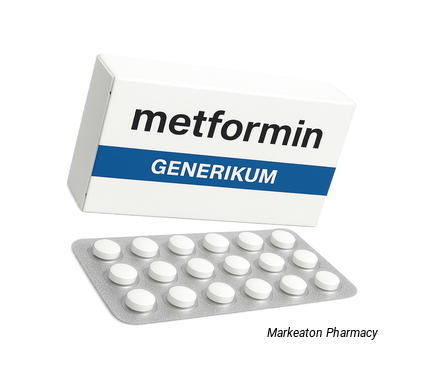
Metformin is classified as a Prescription Only Medicine (POM) in the United Kingdom and cannot legally be supplied without a valid prescription. Unlike certain analgesics or antacids, metformin—a cornerstone therapy for type 2 diabetes—requires clinical assessment and monitoring due to its pharmacological profile and potential for serious adverse effects if misused. Any website or supplier advertising “buy metformin without prescription” or “order metformin online without prescription” operates outside the UK regulatory framework. Patients in need of metformin must obtain a prescription from a qualified healthcare professional and can then purchase or collect their medicine from a registered pharmacy, such as Markeaton Pharmacy in Derby.
Despite restrictions, generic versions of metformin can be prescribed and dispensed at a lower cost compared to branded products. Discussing generic alternatives with your prescriber or pharmacist may help reduce treatment expenses. Attempts to purchase metformin cheaply or “cheap metformin online” without prescription risk counterfeit or substandard products, which can compromise blood glucose control and patient safety.
What does Pharmacy medicine mean in the UK?
The UK classifies human medicines into three main legal supply categories: Prescription Only Medicine (POM), Pharmacy medicine (P) and General Sales List medicine (GSL). Metformin is a POM, meaning it can only be supplied with a valid prescription issued by an authorised prescriber such as a doctor, nurse or pharmacist prescriber. This system ensures appropriate clinical oversight and safe use in the management of hyperglycaemia.
Pharmacy medicines (P) are non-prescription but must be sold under the supervision of a pharmacist. Although metformin does not fall under this supply category, understanding the distinctions helps patients appreciate why some medicines can be purchased online or over the counter while others, like metformin, require direct professional input to optimize dosing and monitor renal function.
General information about metformin
What is metformin?
Metformin is a first-line oral antihyperglycaemic agent belonging to the biguanide class. It is widely prescribed for the management of type 2 diabetes mellitus due to its proven efficacy in reducing blood glucose levels and favourable safety profile. Introduced several decades ago, metformin remains a cornerstone therapy and is recommended by UK and international guidelines as initial pharmacotherapy in most patients with type 2 diabetes.
What is a biguanide?
Biguanides are a class of drugs that act primarily by reducing hepatic glucose production and improving peripheral insulin sensitivity. Metformin is the only biguanide currently in clinical use. Older biguanides such as phenformin were withdrawn due to severe adverse effects, but metformin offers a much lower risk of lactic acidosis when used appropriately.
Why is generic metformin available?
When the original patent for branded metformin (e.g., Glucophage) expired, multiple manufacturers developed generic formulations. Generic metformin products contain the same active pharmaceutical ingredient at the same strength and must meet UK and European regulatory standards for bioequivalence, quality and safety. Generic metformin allows patients to purchase medication at a cheaper price while maintaining efficacy.
Is metformin an insulin?
No. Metformin does not replace insulin. Instead, it enhances the body’s response to insulin and suppresses glucose production by the liver. It is often used in combination with other antidiabetic drugs, including basal or prandial insulin, to achieve optimal blood sugar control.
Why is metformin widely used?
Metformin’s beneficial effects extend beyond glycaemic control. It is associated with modest weight neutral or weight-reducing effects, a low risk of hypoglycaemia when used alone, and potential cardiovascular benefits observed in long-term outcome studies. These factors contribute to its status as the recommended initial pharmacotherapy in many treatment pathways.
How metformin works
What is the mechanism of action?
Metformin primarily reduces hepatic gluconeogenesis—the process by which the liver produces glucose—thereby lowering fasting and postprandial blood sugar levels. It also increases peripheral glucose uptake and utilization, particularly in skeletal muscle, by enhancing insulin sensitivity. These complementary actions improve overall glycaemic control without stimulating insulin secretion directly.
Does metformin increase insulin secretion?
No. Unlike sulfonylureas or insulin secretagogues, metformin does not promote increased insulin release from pancreatic β-cells. Therefore, the risk of hypoglycaemia with metformin monotherapy is low in patients with type 2 diabetes, provided they maintain regular meals and do not combine it with other hypoglycaemic agents without guidance.
What about lactic acidosis?
Although rare, lactic acidosis is a potentially life-threatening condition associated with metformin accumulation, especially in patients with renal impairment, hepatic dysfunction or other risk factors. Proper patient selection, dose adjustment, and regular monitoring of renal and hepatic function are essential to minimize this risk.
Are there additional metabolic effects?
Metformin may offer favourable effects on lipid profiles, modest weight reduction, and improvements in markers of inflammation and endothelial function. These pleiotropic benefits support its use as a core component of cardiometabolic risk management in patients with type 2 diabetes.
Price and availability information
How much does metformin cost in the UK?
The cost of metformin varies by brand, strength, pack size and whether a generic version is dispensed. Generic metformin tablets or modified-release formulations are typically cheaper than branded products. For current prices, patients should consult a community pharmacy such as Markeaton Pharmacy or check the Pharmaceutical Price Regulation Scheme lists. Prescription charges may apply, depending on patient eligibility for free prescriptions under NHS regulations.
Why can prices vary between pharmacies?
Pharmacy purchase costs, margins, dispensing fees and local NHS contracts can contribute to price variation. Some pharmacies offer premium services or home delivery, which may affect the final cost to the patient. Always ask your pharmacy team for the cheapest available generic or branded option and information on prescription charges if you are subject to a payment.
| Example | Strength | Formulation | Approx. Price | Status | Note |
|---|---|---|---|---|---|
| Generic A | 500 mg | Immediate-release tablet, 28 pack | £2.50–£4.00 | Prescription only | Typical NHS dispensed pack, excludes prescription charge |
| Generic B | 850 mg | Modified-release tablet, 28 pack | £5.00–£7.50 | Prescription only | UK MHRA-authorised generic |
| Branded | 1,000 mg | Modified-release tablet, 30 pack | £10.00–£14.00 | Prescription only | Includes patient leaflet and branded packaging |
Strengths, formulations and pack types
What strengths of metformin exist?
Metformin tablets are commonly available in immediate-release (IR) strengths of 500 mg and 850 mg, and modified-release (MR or XR) strengths of 500 mg, 750 mg, 850 mg and 1,000 mg. Dose titration often begins at 500 mg once or twice daily and can be increased gradually based on glycaemic response and tolerability up to a maximum total daily dose of 2,550 mg for IR or 2,000 mg for MR in divided doses.
What formulations are available?
Immediate-release formulations dissolve quickly in the stomach and require multiple daily dosing, whereas modified-release tablets are designed to release metformin gradually over 8–12 hours, allowing once-daily or twice-daily dosing. Oral solutions and powder formulations exist for patients with swallowing difficulties, but these are less commonly used in routine practice.
Why does pack size matter?
Pack size determines how many days’ supply is dispensed. Typical NHS prescriptions supply 28 or 30 tablets per pack, but pharmacists can adjust pack sizes for patient convenience and compliance. Larger packs may reduce dispensing fees and improve adherence by minimizing frequent pharmacy visits.
| Feature | Why it matters |
| Strength | Determines dose per tablet and titration schedule |
| Formulation | Affects release profile and dosing frequency |
| Pack size | Impacts prescription cost and dispensing intervals |
| Brand vs generic | Influences price and patient perception |
| Dosage instructions | Ensures correct use and monitoring |
Generic and branded metformin are bioequivalent when approved by the MHRA, but inactive ingredients, tablet appearance and packaging differ. Patients switching between products may notice minor variations in size, colour or excipient profile without affecting clinical efficacy.
Type 2 diabetes and metformin
What is type 2 diabetes?
Type 2 diabetes mellitus is a chronic metabolic disorder characterised by insulin resistance, impaired insulin secretion and increased hepatic glucose output, resulting in elevated blood glucose levels. Over time, untreated hyperglycaemia can damage blood vessels, nerves and organs, leading to complications such as cardiovascular disease, nephropathy, retinopathy and neuropathy.
Why is metformin first-line?
Clinical guidelines from NICE (National Institute for Health and Care Excellence) recommend metformin as the initial pharmacotherapy for most adults with type 2 diabetes, alongside lifestyle interventions (diet, exercise and weight management). Metformin’s favourable safety profile, low cost, absence of weight gain and potential cardiovascular benefits underpin this recommendation.
How is metformin prescribed?
Dosing typically starts at 500 mg once or twice daily with food to reduce gastrointestinal side effects, then gradually increased every one to two weeks to achieve target glycaemic control. Clinicians monitor renal function before initiation and at least annually thereafter to adjust dose and prevent accumulation that may increase risk of lactic acidosis.
Can metformin be used in prediabetes?
In certain high-risk individuals with impaired glucose tolerance or impaired fasting glucose, metformin may be considered to delay progression to type 2 diabetes, particularly if lifestyle interventions alone prove insufficient. This off-label use requires careful patient selection and specialist oversight.
UK legal classification: GSL, P and POM
What is a POM?
A Prescription Only Medicine can only be supplied by a pharmacist against a valid prescription from an authorised prescriber or under a patient group direction. Metformin is POM due to its potential risks, requirement for monitoring and specialist dosing considerations in renal or hepatic impairment.
What is a Pharmacy medicine?
Pharmacy medicines (P) are non-prescription but require professional supervision at the point of sale. Common P medicines include emergency contraceptives, certain cold remedies and some spermicide products. Metformin does not fall into this category given its complexity and need for lab monitoring.
What is a GSL medicine?
General Sales List medicines may be sold in a wide range of retail outlets without pharmacy supervision, such as vitamins, simple analgesics and antacids. Metformin’s classification as POM reflects its pharmacology and clinical application.
Why can the same active ingredient have different classifications?
Classification depends on factors such as indication, dosage, pack size, duration of treatment and necessity for professional oversight. Even if a medicine shares an active substance, its legal status may differ across strengths or presentations.
Who regulates medicine classification?
The Medicines and Healthcare products Regulatory Agency (MHRA) oversees the classification, licensing and reclassification of medicines in the UK. The MHRA continually reviews safety data and may reclassify a medicine if new evidence suggests a different supply route is appropriate.
Alternatives for blood glucose control
What other oral antidiabetic categories exist?
- Sulfonylureas (e.g., gliclazide, glimepiride);
- DPP-4 inhibitors (e.g., sitagliptin, linagliptin);
- SGLT2 inhibitors (e.g., empagliflozin, dapagliflozin);
- Thiazolidinediones (e.g., pioglitazone);
- Alpha-glucosidase inhibitors (e.g., acarbose).
Why choose metformin over sulfonylureas?
Metformin has a lower risk of hypoglycaemia and does not cause weight gain, in contrast to sulfonylureas, which stimulate insulin secretion. Metformin’s additional benefits on cardiovascular outcomes make it preferable as first-line therapy.
What about insulin therapy?
Insulin is indicated when oral therapies alone fail to achieve glycaemic targets or in those with absolute insulin deficiency. Basal insulin or basal-bolus regimens may be added to metformin in advanced type 2 diabetes management.
Metformin compared with other diabetes medicines
How does metformin compare with gliclazide?
Metformin reduces hepatic glucose output and improves insulin sensitivity without directly increasing insulin secretion, thus posing minimal hypoglycaemia risk. Gliclazide, a sulfonylurea, enhances insulin release and carries a higher hypoglycaemia risk and potential weight gain.
How does metformin compare with SGLT2 inhibitors?
SGLT2 inhibitors promote renal glucose excretion, leading to lower blood glucose and modest weight loss. They offer additional cardiovascular and renal benefits but are more costly and can increase genitourinary infection risk. Metformin often remains the backbone treatment with SGLT2 inhibitors as add-on therapy.
| Feature | Metformin | Gliclazide | Empagliflozin |
| Drug class | Biguanide | Sulfonylurea | SGLT2 inhibitor |
| Main action | Reduces hepatic glucose output | Stimulates insulin secretion | Increases urinary glucose excretion |
| Weight effect | Neutral or weight loss | Weight gain | Weight loss |
| Hypoglycaemia risk | Low | Moderate to high | Low |
| OTC availability | No | No | No |
No single agent is universally best. Treatment choice depends on individual patient factors, comorbidities, tolerability, monitoring requirements and overall cost considerations. Generic metformin typically offers the cheapest option for initial therapy.
Diet, exercise and lifestyle considerations
Can diet affect blood glucose control?
Yes. Carbohydrate intake, meal timing and overall caloric balance significantly influence glycaemic levels. A dietitian-led dietary plan focusing on low-glycaemic-index foods, portion control and balanced macronutrients supports metformin therapy and improves long-term outcomes.
What about alcohol?
Excessive alcohol intake can impair gluconeogenesis and increase the risk of lactic acidosis when combined with metformin. Patients are advised to limit alcohol consumption and discuss safe levels with their healthcare provider.
Does weight management matter?
Weight reduction in overweight or obese individuals enhances insulin sensitivity and glycaemic control. Combining metformin therapy with regular physical activity and dietary modifications maximizes therapeutic benefits.
Can smoking affect diabetes?
Smoking increases cardiovascular risk and may worsen insulin resistance. Smoking cessation is strongly recommended for patients with type 2 diabetes using metformin or any antidiabetic regimen.
Why is regular monitoring important?
Routine monitoring of blood glucose, HbA1c, lipid profile, renal function and vitamin B12 status ensures safe and effective long-term use of metformin and helps guide treatment adjustments.
Side effects and tolerability
What are the common side effects?
Gastrointestinal symptoms such as diarrhoea, nausea, abdominal discomfort and flatulence are common, especially during dose titration. Taking metformin with meals and using modified-release formulations can reduce these effects.
Can allergic reactions occur?
True allergic reactions to metformin are rare. Skin rash, pruritus or urticaria may occur but usually resolve upon discontinuation. Severe hypersensitivity requires immediate medical attention.
Why does GI discomfort happen?
Metformin alters gut motility and may affect the gut microbiota, leading to transient gastrointestinal intolerance. Low-starting doses with gradual upward titration often improve tolerability.
Are long-term risks different from short-term?
Long-term metformin use is generally well tolerated but can be associated with vitamin B12 deficiency, which may lead to neuropathy if unrecognized. Annual monitoring of B12 levels is recommended for patients on chronic metformin therapy.
| Area | Examples |
| Gastrointestinal | Diarrhoea, nausea, bloating, flatulence |
| Metabolic | Rare lactic acidosis in high-risk patients |
| Hematologic | Vitamin B12 deficiency with prolonged use |
| Dermatologic | Skin rash, pruritus |
| Hypersensitivity | Rare serious reactions |
Long-term use and monitoring
Why is renal function monitoring essential?
Metformin is excreted unchanged by the kidneys. Reduced renal clearance can lead to drug accumulation and increased lactic acidosis risk. Estimated glomerular filtration rate (eGFR) should be assessed before initiation and at least annually. Dose adjustments or discontinuation may be necessary if eGFR falls below recommended thresholds.
Can metformin cause vitamin B12 deficiency?
Prolonged metformin therapy can impair B12 absorption, potentially leading to deficiency anaemia and neuropathy. Annual B12 monitoring and supplementation, if required, are advisable for patients on prolonged high-dose therapy.
What about lactic acidosis risk?
Lactic acidosis incidence is very low (<10 cases per 100 000 patient-years) when metformin is used appropriately. The risk increases in patients with severe renal impairment, uncontrolled heart failure, hepatic dysfunction, acute dehydration or heavy alcohol use. Education on early signs such as rapid breathing, lethargy and muscle pain is crucial.
Is long-term metformin safe?
Large observational studies and randomized trials support the long-term safety and cardiovascular benefits of metformin in type 2 diabetes. Regular clinical review ensures continued appropriateness of therapy and safe continuation.
Warnings, contraindications and interactions
Who should avoid metformin?
- Patients with severe renal impairment (eGFR < 30 mL/min/1.73 m²);
- Individuals with acute or chronic metabolic acidosis, including diabetic ketoacidosis;
- Patients with severe hepatic dysfunction;
- Those with a history of lactic acidosis;
- Patients undergoing radiographic studies with iodinated contrast agents without suitable metformin withdrawal;
- Individuals with significant alcohol misuse.
Can metformin interact with other medicines?
Yes. Concomitant use with iodinated contrast media can precipitate acute kidney injury and lactic acidosis; metformin should be withheld around the time of imaging. Cationic drugs that compete for renal tubular secretion (e.g., cimetidine) may increase metformin levels. Careful review of all medications and dose adjustments reduce interaction risks.
Why is dehydration a concern?
Volume depletion from vomiting, diarrhoea or excessive diuretic use can impair renal function and increase metformin accumulation. Patients should maintain adequate hydration and report significant fluid losses to their healthcare provider.
What about pregnancy and breastfeeding?
Metformin is often continued in pregnancy for women with gestational diabetes or pre-existing type 2 diabetes. It crosses the placenta but has not been associated with major teratogenic effects. Breastfeeding women may continue metformin with monitoring. Individual risk-benefit assessment is essential.
Additional information about generic metformin
What does “generic metformin” mean?
A generic medicine contains the identical active ingredient as the reference branded medicine and must meet stringent regulatory requirements for bioequivalence, quality and safety. Inactive ingredients may differ, leading to subtle variations in tablet appearance and excipient tolerability.
Why do different generic products have different leaflets?
Each licensed generic product has its own Summary of Product Characteristics and patient information leaflet, reflecting specific formulations, excipients, pack sizes, intended indications and legal classification. Always consult the leaflet supplied with your specific metformin product.
What should be checked on the label?
Key details include active ingredient (metformin hydrochloride), strength, formulation type (IR or MR), pack size, batch number, expiry date, and any manufacturer or distributor information. Ensuring these details match your prescription minimizes dispensing errors.
Where can UK medicine information be verified?
Reliable sources include the MHRA website, the electronic Medicines Compendium (eMC), NICE guidelines and consultations with qualified healthcare professionals. Markeaton Pharmacy can provide up-to-date information and advice on generic metformin selection, dosage and monitoring.
Does this information replace advice from a pharmacist?
No. This page offers general information provided by Markeaton Pharmacy, 126 Kedleston Road, Derby, DE22 1FX. For personalised advice tailored to your health status, drug history and lifestyle, please speak directly to our pharmacy team in store or via our secure online consultation portal.