
Services
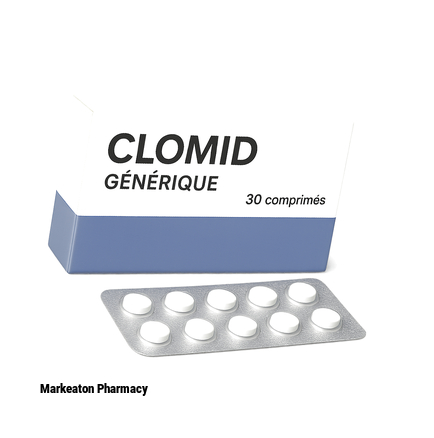
- Is clomid available without prescription in the UK?
- What does Prescription Only Medicine mean in the UK?
- General information about clomiphene (Clomid)
- How clomiphene works to induce ovulation
- Price and availability information
- Strengths, formulations and pack types
- Clomid usage in fertility and PCOS
- UK legal classification: POM and online supply
- Alternatives for ovulation induction and fertility
- Clomiphene compared with other fertility treatments
- Lifestyle, diet and timing considerations
- Side effects and tolerability
- Long-term use and monitoring
- Warnings, contraindications and interactions
- Additional information about generic clomiphene
Is clomid available without prescription in the UK?
Clomid (clomiphene citrate) is classified as a Prescription Only Medicine (POM) in the United Kingdom. This means that you cannot legally buy or obtain genuine Clomid without a valid prescription issued by a qualified healthcare professional. Despite the proliferation of online pharmacies offering “purchase clomid without prescription,” UK regulations prohibit dispensing clomiphene without the oversight of a prescriber. However, many patients seek generic clomiphene online from overseas suppliers, often at a lower price. It is crucial to understand the legal status and potential risks of ordering Clomid from uncontrolled sources.
While some websites advertise “cheap Clomid” or “order Clomid online best price,” medicines purchased without prescription and shipped from abroad may not meet UK safety standards. Markeaton Pharmacy strongly advises consulting a GP or fertility specialist before ordering Clomid. A proper diagnosis and prescription ensure that the correct dose and regimen are prescribed, enhancing safety and efficacy in treating infertility or ovulatory disorders.
What does Prescription Only Medicine mean in the UK?
The UK categorises medicines under three main legal classifications: Prescription Only Medicine (POM), Pharmacy medicine (P), and General Sales List (GSL) medicine. Clomid falls under the POM category, which requires a valid prescription from a doctor, dentist, nurse prescriber, or other authorised independent prescriber. Medicines in this class may have significant effects on health, require monitoring, or carry potential side effects that necessitate professional oversight.
Prescription Only Medicines cannot be sold or supplied without a prescription. This classification helps ensure that clomiphene is used appropriately for ovulation induction, minimising the risk of incorrect dosing, adverse effects or interactions. By contrast, P medicines can be sold only in a pharmacy without prescription, while GSL medicines are available for general retail sale in shops once safety criteria are met.
General information about clomiphene (Clomid)
What is clomiphene citrate?
Clomiphene citrate is the active pharmaceutical ingredient in Clomid, a medication widely used to treat anovulation and infertility in women. It belongs to a class known as selective estrogen receptor modulators (SERMs). By blocking estrogen receptors in the hypothalamus, clomiphene indirectly stimulates the release of gonadotropins (FSH and LH) from the pituitary gland, thereby promoting the maturation and release of ovarian follicles.
History and brand names
Clomid was first approved in the 1960s and has become one of the most prescribed ovulation-inducing agents worldwide. In addition to Clomid (by brand), various generic versions of clomiphene citrate are available under names such as Serophene, Clomex, Omifin and others in different markets. In the UK, any generic must meet MHRA standards for quality, safety and efficacy.
Who can prescribe Clomid?
In the UK, Clomid may be prescribed by GPs, fertility specialists or other healthcare professionals authorised to prescribe POM medicines. A specialist assessment is recommended to determine if clomiphene is appropriate for conditions such as polycystic ovary syndrome (PCOS) or unexplained infertility.
Why use generic Clomid?
Generic clomiphene contains the same active ingredient at the required dose and has passed bioequivalence testing. Generic versions are often cheaper than branded Clomid, enabling patients to access treatment at a lower cost. “Buy generic clomiphene online” may yield cheaper options, but always verify that the supplier holds appropriate regulatory approvals.
How clomiphene works to induce ovulation
Mechanism of action
Clomiphene exerts its effect by binding to estrogen receptors in the hypothalamus. This blocks the negative feedback normally provided by circulating estrogen, causing the hypothalamus to signal the pituitary gland to increase secretion of follicle-stimulating hormone (FSH) and luteinizing hormone (LH). The surge in gonadotropins promotes ovarian follicle development and triggers ovulation.
Pharmacokinetics
Clomiphene is well absorbed orally, with peak plasma concentrations reached within 4–7 hours. It is extensively distributed to tissues and undergoes hepatic metabolism, producing active metabolites that extend its pharmacodynamic effect. The elimination half-life can range from 5 to 7 days, allowing clomiphene to remain biologically active during a typical 5-day dosing regimen.
Dosing regimen
Standard dosages range from 25 mg to 100 mg daily for five consecutive days, typically begun on day 2, 3 or 5 of the menstrual cycle. The most common starting dose is 50 mg daily. Subsequent cycles may involve dose adjustments based on response. Monitoring via ultrasound and serum hormone measurements is recommended to optimise dosing and reduce risks of multiple pregnancy.
Onset and duration of effect
Most women ovulate between 5 and 10 days after completing a clomiphene course. Up to six treatment cycles may be attempted under medical supervision. If ovulation does not occur, alternative therapies or referral to assisted reproduction techniques may be considered.
Price and availability information
How much does Clomid cost in the UK?
The price of Clomid varies significantly by brand, pack size and supplier. Branded Clomid is typically more expensive than generic clomiphene products. Private fertility clinics and community pharmacies set their own retail prices, often leading patients to compare “buy Clomid online” offers to find the cheapest option.
Why can prices vary?
Prices reflect manufacturing costs, import duties, wholesale markups, pharmacy dispensing fees and profit margins. Generic clomiphene often benefits from lower manufacturing costs and competition among suppliers, resulting in cheaper prices. Online pharmacies may offer bulk-pack or subscription discounts, while local pharmacies may charge higher dispensing fees.
| Product | Strength | Pack size | Approx. price | Notes |
|---|---|---|---|---|
| Clomid (Brand) | 50 mg | 5 tablets | £35–£45 | Prescription Only Medicine |
| Generic clomiphene | 50 mg | 10 tablets | £20–£30 | Prescription Only Medicine |
| Bulk import (overseas) | 50 mg | 100 tablets | £80–£100 | Requires careful vetting |
Strengths, formulations and pack types
Available strengths
Clomiphene citrate is most commonly available in 25 mg and 50 mg film-coated tablets. The 50 mg dose is most frequently used for ovulation induction, while 25 mg may be used when a lower dose is desired. Some compounding pharmacies may offer alternative doses, but these must comply with MHRA regulations.
Formulations
Standard film-coated tablets are the primary formulation. Generic versions may vary in excipients, tablet shape, colour and imprint, but the active ingredient and bioavailability remain equivalent to the reference medicine.
Pack sizes
Common pack sizes include 5, 10 or 20 tablets per blister pack. Private fertility clinics often dispense 5- or 10-tablet courses per cycle. Larger packs may be sold online for multiple cycles, offering cheaper per-tablet prices.
Generic vs branded
Generic clomiphene is pharmaceutically identical to Clomid in active constituent and therapeutic effect. Differences lie in tablet coating, packaging and marketing. Generics carry UK marketing authorisation numbers and fully compliant patient information leaflets.
Clomid usage in fertility and PCOS
Ovulation induction in PCOS
Clomiphene is first-line therapy for women with polycystic ovary syndrome (PCOS) who wish to conceive. It restores regular ovulation in approximately 70–80% of cases and leads to pregnancy in around 40–45% of treated women over six cycles.
Use in unexplained infertility
In couples with unexplained infertility, clomiphene may be used off-label to enhance ovulatory regularity and improve conception rates, often in combination with intrauterine insemination (IUI).
Male infertility
Although not routinely recommended, clomiphene may be prescribed off-label to men with certain forms of sub-fertility, aiming to increase endogenous testosterone production and sperm count via pituitary stimulation.
Secondary uses
Clomiphene has occasional use in conditions such as luteal phase deficiency and to manage oligo-ovulation associated with other endocrine disorders. Off-label use should be guided by specialist advice.
UK legal classification: POM and online supply
Prescription Only Medicine (POM)
Clomid is classified as POM and requires a valid prescription. UK law prohibits sale or supply without prescription. Pharmacies must verify the prescription before dispensing Clomid.
Online pharmacies
Registered UK online pharmacies may dispense Clomid if a patient uploads or emails a valid prescription. Some international online retailers claim to supply clomiphene without prescription, but such practices may circumvent MHRA regulations and pose risks.
Checking credentials
When purchasing Clomid online, ensure the pharmacy is registered with the General Pharmaceutical Council (GPhC) and displays a verified EU common logo or UK Web Check logo. Avoid purchasing from unverified sites marketing “cheap Clomid without prescription.”
Alternatives for ovulation induction and fertility
Letrozole
Letrozole, an aromatase inhibitor, is used off-label for ovulation induction in PCOS. It may produce higher live birth rates than clomiphene in some populations.
Gonadotropins
Injectable FSH and human menopausal gonadotropin (hMG) may be used when clomiphene fails, requiring close monitoring due to risk of ovarian hyperstimulation and multiple pregnancy.
Aromatase modulators
Other medications that lower estrogen levels and stimulate gonadotropin release may be considered in specialist settings.
Assisted conception
In vitro fertilisation (IVF) or IUI may be alternatives when oral therapies are ineffective, often combined with gonadotropins or other protocols.
Clomiphene compared with other fertility treatments
Clomiphene vs letrozole
Letrozole may offer better endometrial receptivity and lower multiple pregnancy rates compared with clomiphene in certain PCOS patients, though both are effective ovulation inducers.
Clomiphene vs gonadotropins
Gonadotropins can produce a more predictable ovarian response but carry higher cost, injection burden, monitoring requirements and risk of ovarian hyperstimulation syndrome (OHSS) and multiple gestation.
| Feature | Clomiphene | Letrozole | Gonadotropins |
| Administration | Oral tablets | Oral tablets | Injectable |
| Monitoring | Moderate | Moderate | Intensive |
| Ovulation rate | 70–80% | 75–85% | 80–90% |
| Pregnancy rate | 35–45% over 6 cycles | 40–55% over 5 cycles | 50–70% per cycle |
| Multiple pregnancy | 6–10% | 3–7% | 15–25% |
Choosing the right therapy
Choice depends on patient characteristics, previous response, cost, convenience, monitoring capacity and risk tolerance. A fertility specialist can guide selection based on individual needs.
Lifestyle, diet and timing considerations
Body weight and BMI
Obesity can reduce ovulatory response to clomiphene. Weight management through diet and exercise may improve treatment outcomes.
Timing intercourse
Identifying the fertile window via basal body temperature charting or ovulation predictor kits enhances chances of conception when using Clomid.
Nutrition and supplements
Folic acid supplementation is recommended. Diets rich in antioxidants, vitamins D and E, and omega-3 fatty acids may support fertility.
Stress and sleep
Chronic stress and poor sleep can negatively affect hormonal balance. Relaxation techniques and good sleep hygiene may complement pharmaceutical treatment.
Side effects and tolerability
Common side effects
| Area | Examples |
| Vasomotor | Hot flushes, sweats |
| Central nervous system | Headache, dizziness |
| Visual | Blurred vision, scotomata (rare) |
| Abdominal | Bloating, nausea, abdominal discomfort |
| Psychiatric | Mood swings, irritability |
Serious reactions
Ovarian hyperstimulation syndrome (OHSS) is uncommon with clomiphene but possible. Symptoms include rapid weight gain, severe abdominal pain and ascites. Seek immediate medical attention if OHSS is suspected.
Multiple pregnancy risk
Clomiphene increases the chance of twins or higher-order multiples compared with natural conception. Counselling on multiple pregnancy risk is essential.
Why monitoring matters
Regular ultrasound and hormonal assessment reduce risks by adjusting dosage and cycle length. Monitoring also ensures timely detection of adverse events.
Long-term use and monitoring
Duration of use
Short-term treatment is typically limited to six cycles. Prolonged use beyond six cycles without pregnancy warrants specialist review.
Impact on bone and lipids
No significant adverse effects on bone density or lipid profile have been observed in short-term clomiphene use. Long-term safety data remain limited.
Psychological considerations
Infertility treatment can be emotionally taxing. Psychological support and counselling may benefit patients undergoing multiple treatment cycles.
Follow-up care
After successful pregnancy, clomiphene is discontinued. Patients should inform their healthcare provider and discuss prenatal care plans.
Warnings, contraindications and interactions
Who should avoid clomiphene?
- Patients with liver disease or impairment;
- Uncontrolled thyroid or adrenal dysfunction;
- Ovarian cysts unrelated to polycystic ovary syndrome;
- Undiagnosed uterine bleeding;
- Abnormal vaginal bleeding without established cause;
- Pregnancy or breastfeeding.
Drug interactions
Clomiphene has few clinically significant drug interactions. However, medications affecting estrogen receptors or hepatic metabolism (e.g., tamoxifen, anticonvulsants) should be used with caution.
Why vision monitoring?
Visual disturbances are reversible upon discontinuation but require immediate cessation of medication. Regular eye examinations may be advocated for high-dose or long-term regimens.
Pregnancy and lactation
Clomiphene is contraindicated in pregnancy. Use appropriate contraception until ovulation is confirmed. Breastfeeding is not recommended while taking clomiphene.
Additional information about generic clomiphene
Regulatory standards
Generic clomiphene products authorised in the UK meet the same rigorous MHRA standards as branded Clomid. Each must demonstrate bioequivalence, stability and quality control.
Patient information leaflets
Always review the leaflet supplied with your generic medicine. Leaflet content may differ slightly by manufacturer, covering excipients, storage instructions and batch-specific warnings.
Storage and handling
Store clomiphene tablets at room temperature (below 25°C) in a dry place protected from direct light. Keep out of reach of children.
Where to get help
For questions about ordering Clomid online or purchasing generic clomiphene at a cheaper price, consult the Markeaton Pharmacy team. Our pharmacists can verify product authenticity and advise on safe sourcing.
This information is for educational purposes and does not replace professional medical advice. Speak to your doctor or pharmacist before starting or changing any medication.