
Services
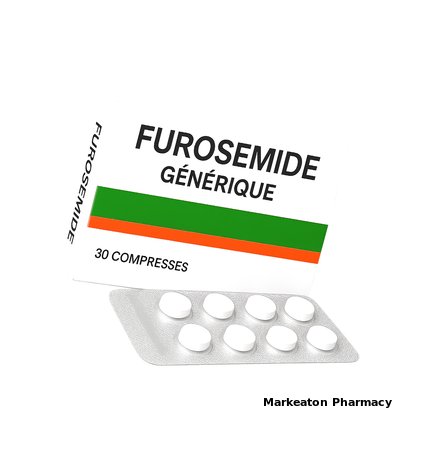
- What is furosemide and how does it work?
- Availability and legal status in the UK
- Pharmacological classification
- Indications and uses
- Dosage forms and strengths
- Recommended dosages
- How to take furosemide
- Side effects and tolerability
- Warnings and contraindications
- Drug interactions
- Monitoring and laboratory tests
- Use in special populations
- Generic vs branded furosemide
- Comparisons with other diuretics
- Price and how to buy cheap online
- Benefits of fast delivery
- Potential risks of online purchase without prescription
- How to spot a reliable online pharmacy
- Storage, expiry and disposal
- Frequently asked questions
What is furosemide and how does it work?
Furosemide is a powerful loop diuretic commonly used to remove excess fluid from the body by increasing urine production. It acts primarily in the thick ascending limb of the loop of Henle in the kidney, inhibiting sodium and chloride reabsorption. This mechanism triggers osmotic diuresis and leads to rapid reduction in blood volume, making furosemide effective for managing oedema and hypertension.
As a potent diuretic, furosemide can reduce fluid overload in conditions such as heart failure, liver cirrhosis and chronic kidney disease. It begins to work within one hour of oral administration and achieves a peak effect around two hours after dosing. Intravenous injections of furosemide act even faster, often within minutes, which is why it is used in acute settings.
The onset and magnitude of diuresis can be influenced by factors such as renal blood flow, electrolyte balance and dosage. Over time, some patients may develop tolerance, requiring dosage adjustments under medical supervision. Understanding furosemide’s pharmacodynamics and kinetics is essential for safe and effective treatment.
Availability and legal status in the UK
In the United Kingdom, furosemide is classified as a Prescription Only Medicine (POM). This means it cannot be legally purchased in a pharmacy or online without a valid prescription from a qualified healthcare professional. Wholesale or retail supply of furosemide without prescription breaches MHRA regulations and may carry legal implications.
Despite its prescription status, online pharmacies can facilitate prompt access through UK-based or international prescribers. Customers complete an online consultation, and a registered prescriber issues a prescription if clinically appropriate. Once approved, furosemide can be delivered to the patient’s door, often with options for fast or tracked delivery.
While some offshore websites advertise “buy furosemide without prescription,” these sources may be unregulated, fail to guarantee quality, or ship counterfeit products. Patients seeking safe and legal service should ensure the pharmacy is registered with the General Pharmaceutical Council (GPhC) and that a valid prescription process is followed.
Pharmacological classification
Furosemide belongs to the loop diuretic class, a subset of diuretics that act on the loop of Henle in the nephron. Other members of this class include bumetanide and torsemide. Loop diuretics are among the most potent diuretic agents and are preferred in cases requiring rapid and substantial fluid removal.
By blocking the Na⁺-K⁺-2Cl⁻ cotransporter, furosemide interrupts electrolyte reabsorption, causing increased urinary excretion of sodium, chloride, potassium, calcium and magnesium. This mechanism differentiates loop diuretics from thiazide diuretics, which act on the distal convoluted tubule, and potassium-sparing diuretics, which act on late distal tubule and collecting duct segments.
Furosemide’s classification as a high-ceiling diuretic indicates that its diuretic effect increases with higher dosages, unlike low-ceiling diuretics that plateau at moderate doses. This property should be balanced against the risk of electrolyte depletion and dehydration, mandating careful dosage titration.
Indications and uses
The primary clinical uses of furosemide include management of peripheral and pulmonary oedema associated with congestive heart failure, cirrhosis of the liver and renal impairment, including nephrotic syndrome. It also serves as an adjunct in the treatment of hypertension, especially when resistant to other antihypertensive agents.
In acute medical settings, intravenous furosemide is utilized to rapidly relieve pulmonary oedema, which can be life-threatening if left untreated. In hypertensive emergencies accompanied by fluid overload, furosemide may be administered intravenously or orally to achieve prompt blood pressure reduction.
Off-label uses may include reduction of intracranial or intraocular pressure and prophylaxis of acute mountain sickness by promoting diuresis. Such applications should only occur under specialized medical guidance due to the risk of rapid fluid shifts and electrolyte disturbances.
Dosage forms and strengths
Furosemide is available in multiple pharmaceutical presentations, including oral tablets, oral solution and injectable concentrate. Standard oral tablet strengths usually include 20 mg, 40 mg and 80 mg. Liquid forms may be supplied as 10 mg/mL or 2 mg/mL solutions, depending on the manufacturer.
Intravenous furosemide is supplied as a clear solution, commonly at 10 mg/mL in 2 mL or 5 mL ampoules. This formulation allows precise titration for acute management of severe oedema or hypertensive crises. Oral solutions facilitate administration in patients with swallowing difficulties or precise pediatric dosing.
Generic and branded versions share the same active ingredient and dosage strengths, but packaging, excipients and tablet appearance can differ. Patients should follow the specific product label and patient information leaflet to ensure correct identification and dosing.
Recommended dosages
Adult oral dosages for mild to moderate oedema commonly start at 20–40 mg once daily. Dosage may be increased by 20–40 mg at intervals of 6–8 hours until the desired diuretic response is achieved. Maintenance doses often range from 20–80 mg per day, either as a single dose or divided doses.
For hypertension, lower dosages such as 40 mg twice daily may be used, often in combination with other antihypertensive agents. Doses should be individualized based on patient response, renal function and concurrent electrolyte status, with periodic review and adjustment as necessary.
In acute pulmonary oedema, intravenous furosemide dosages typically range from 20–40 mg by slow bolus injection, repeated or titrated to clinical effect. Higher doses may be required in patients with renal impairment, although diuretic resistance can occur, warranting specialist consultation.
How to take furosemide
Oral furosemide tablets should be swallowed with a full glass of water, with or without food. To optimize diuretic effect and reduce nocturia, morning administration is preferred. If a second dose is prescribed, it is usually given in the early afternoon rather than late afternoon or evening.
For the oral solution, measure the prescribed volume precisely using a graduated dropper or syringe. Shake well before use if the product information specifies. Patients should avoid crushing tablets unless directed by a healthcare professional or pharmacist, as formulation integrity is important.
Intravenous injections should be administered slowly over at least 1–2 minutes to reduce the risk of ototoxicity and abrupt hemodynamic changes. Healthcare providers must adhere to aseptic technique and monitor blood pressure, electrolytes and renal function during administration.
Side effects and tolerability
Common side effects of furosemide include increased urination, electrolyte imbalances such as hypokalaemia, hyponatraemia and hypomagnesaemia, and dehydration. Other frequent reactions are dizziness, hypotension, headache and gastrointestinal disturbances including nausea or diarrhoea.
Less common but serious adverse events can include ototoxicity, particularly when high intravenous doses are administered rapidly or in patients with kidney impairment. Hearing changes may be reversible or permanent, highlighting the importance of cautious dosing in vulnerable populations.
Long-term use of high-dose furosemide may increase the risk of gout attacks due to elevated uric acid levels. Rare hypersensitivity reactions such as rash, photosensitivity or blood dyscrasias may occur. Regular monitoring and prompt reporting of unusual symptoms help maintain safety.
Warnings and contraindications
Furosemide is contraindicated in patients with anuria, severe hypovolaemia or dehydration, and known hypersensitivity to furosemide or sulphonamide-derived drugs. It should be used with caution in patients with severe liver disease or pre-existing electrolyte disturbances.
Patients with diabetes may experience altered glucose tolerance. Monitoring blood sugar levels and adjusting diabetic therapy may be required. In hypotensive or volume-depleted individuals, furosemide can precipitate symptomatic hypotension and renal impairment.
Pregnancy and breastfeeding require careful benefit-risk assessment. Furosemide crosses the placenta and is excreted in breast milk, so use should be reserved for situations where potential benefits outweigh risks to the fetus or infant.
Drug interactions
Drugs that can exacerbate furosemide-induced electrolyte loss include corticosteroids, amphotericin B and thiazide diuretics. Combination therapy may increase the risk of hypokalaemia and necessitate potassium supplementation or closer electrolyte monitoring.
Nonsteroidal anti-inflammatory drugs (NSAIDs) can reduce the diuretic and antihypertensive efficacy of furosemide by inhibiting renal prostaglandin synthesis. Co-administration may require dose adjustment or alternative analgesic strategies.
Concurrent use with aminoglycoside antibiotics or cisplatin can potentiate ototoxicity. Lithium excretion may be altered by furosemide, increasing the risk of lithium toxicity. Furosemide can also enhance the action of other antihypertensives, requiring blood pressure monitoring and dosage titration.
Monitoring and laboratory tests
Patients on furosemide require regular monitoring of serum electrolytes, renal function, fluid balance and blood pressure. Hypokalaemia should be corrected promptly, often with dietary adjustments or potassium supplements. Magnesium and calcium levels should also be assessed periodically.
Renal function tests, including serum creatinine and estimated glomerular filtration rate (eGFR), help detect early signs of renal impairment. Fluid intake and output charts may guide diuretic adjustments, especially in hospitalized or elderly patients.
Frequent blood pressure monitoring is essential to avoid symptomatic hypotension, particularly during dose initiation or titration. In cases of refractory oedema or diuretic resistance, additional laboratory assessments may include uric acid, liver function and thyroid tests.
Use in special populations
Elderly patients are more susceptible to volume depletion, orthostatic hypotension and electrolyte abnormalities. Lower initial dosages and slower titration are recommended, alongside close clinical supervision and frequent monitoring.
In pediatric patients, furosemide dosing is weight-based and should be determined by specialists. Oral solutions enable precise dosing, but monitoring is crucial due to immaturity of renal function and variable fluid needs.
Use in patients with impaired hepatic function may precipitate hepatic encephalopathy due to altered fluid and electrolyte balance. Specialist hepatology input is advised to guide diuretic therapy and monitor for complications.
Generic vs branded furosemide
Generic furosemide contains the same active ingredient and must meet rigorous MHRA standards for bioequivalence, safety and efficacy. Branded versions may offer different excipients, tablet coatings or packaging, but clinical outcomes are equivalent when manufactured to specification.
Generic products are often cheaper than branded alternatives, providing cost savings for patients and healthcare systems. Price variations reflect manufacturer, pack size and distribution arrangements. Always check pharmacy labels to confirm dosage strength and manufacturer details.
Switching between branded and generic furosemide is generally acceptable, but patients sensitive to specific excipients should discuss any concerns with their pharmacist or prescriber. Consistency of supply can aid adherence and minimize confusion.
Comparisons with other diuretics
Thiazide diuretics, such as bendroflumethiazide and hydrochlorothiazide, are less potent than loop diuretics and are primarily used for mild hypertension. They act on the distal convoluted tubule and have a lower ceiling effect for diuresis.
Potassium-sparing diuretics like spironolactone and amiloride mitigate potassium loss but confer weaker diuretic effects. They are often combined with loop diuretics to correct or prevent hypokalaemia in heart failure management.
Loop diuretics are preferred when rapid and significant fluid removal is required. In resistant hypertension or refractory oedema, sequential nephron blockade—combining loop and thiazide diuretics—may achieve additive effects under specialist supervision.
Price and how to buy cheap online
Online pharmacies often offer generic furosemide at lower prices compared to high-street pharmacies due to lower overhead costs and direct supply chains. Price comparisons across reputable UK-registered websites can reveal savings of up to 50% or more.
Customers can purchase furosemide online by submitting prescription documentation or using an integrated telehealth service. After approval by a qualified prescriber, orders are dispensed and shipped with tracked or next-day delivery options. Bulk ordering or subscription services can further reduce the cost per dose.
Beware of extremely low prices or “no prescription” claims that bypass MHRA regulations. Cheaper sources may ship unregulated or counterfeit products. Always verify pharmacy registrations—both GPhC and MHRA—to ensure legitimacy and product quality.
Benefits of fast delivery
Fast delivery services ensure uninterrupted medication supply, which is crucial for chronic conditions requiring daily dosing such as heart failure and hypertension. Many online pharmacies offer next-day or express delivery options within the UK.
Subscription models with scheduled refills can automate purchases, reducing the risk of missed doses. Automated reminders and flexible delivery windows help patients adhere to their treatment plans, improving therapeutic outcomes and reducing hospital admissions.
Fast delivery also benefits those in remote areas or with mobility challenges, eliminating the need for travel and ensuring access to critical medications. Pharmacy customer support teams can assist with tracking and addressing delivery concerns promptly.
Potential risks of online purchase without prescription
Purchasing furosemide without a valid prescription can expose patients to counterfeit or substandard products that may contain incorrect dosages or harmful contaminants. These products bypass regulatory oversight, endangering patient health.
Self-medication with diuretics carries risks of dehydration, electrolyte imbalance and renal impairment. Without medical assessment, underlying conditions may go undiagnosed, delaying necessary treatment and worsening outcomes.
Reputable online pharmacies mandate a prescription or telemedicine consultation to mitigate these risks. Patients should never ignore prompts for clinical information or attempt to override prescription requirements, as doing so undermines safe medicine use.
How to spot a reliable online pharmacy
Verify that the pharmacy is registered with the General Pharmaceutical Council (GPhC) and displays its registration number prominently. The website should list a UK postal address, professional contact details and credentials of licensed pharmacists.
Secure prescription pathways, such as online consultations or upload portals for existing prescriptions, are essential. Look for clear information on delivery times, pricing transparency, return policies and data protection practices.
Customer reviews, independent accreditation logos and demonstration of MHRA compliance provide additional assurance. Avoid sites that accept only cryptocurrency or lack verifiable contact information.
Storage, expiry and disposal
Store furosemide tablets and solutions in a cool, dry place away from direct sunlight and moisture. Keep the medication in its original container with the lid tightly closed. Do not store in bathrooms or near sinks where humidity is high.
Check expiry dates before use and dispose of any out-of-date medication safely through community medicine take-back schemes or pharmacy return services. Do not flush furosemide down the toilet or discard in household waste, as environmental contamination may occur.
Keep all medicines out of reach of children and pets. Follow local guidelines for medicine disposal to protect both human health and the environment.
Frequently asked questions
Can I skip doses if I feel better? No. Skipping doses of furosemide can lead to fluid retention and worsening symptoms. Always follow your prescriber’s instructions and consult before adjusting your regimen.
What should I do if I miss a dose? Take the missed dose as soon as you remember, provided it is not close to the time of your next dose. Do not double up to make up for a missed dose; contact your prescriber if you are unsure.
Is generic furosemide as effective as brand name? Yes. Generic products are required to demonstrate bioequivalence to branded medicines. Efficacy and safety are comparable when sourced from reputable suppliers.